1. Cornfield Chase

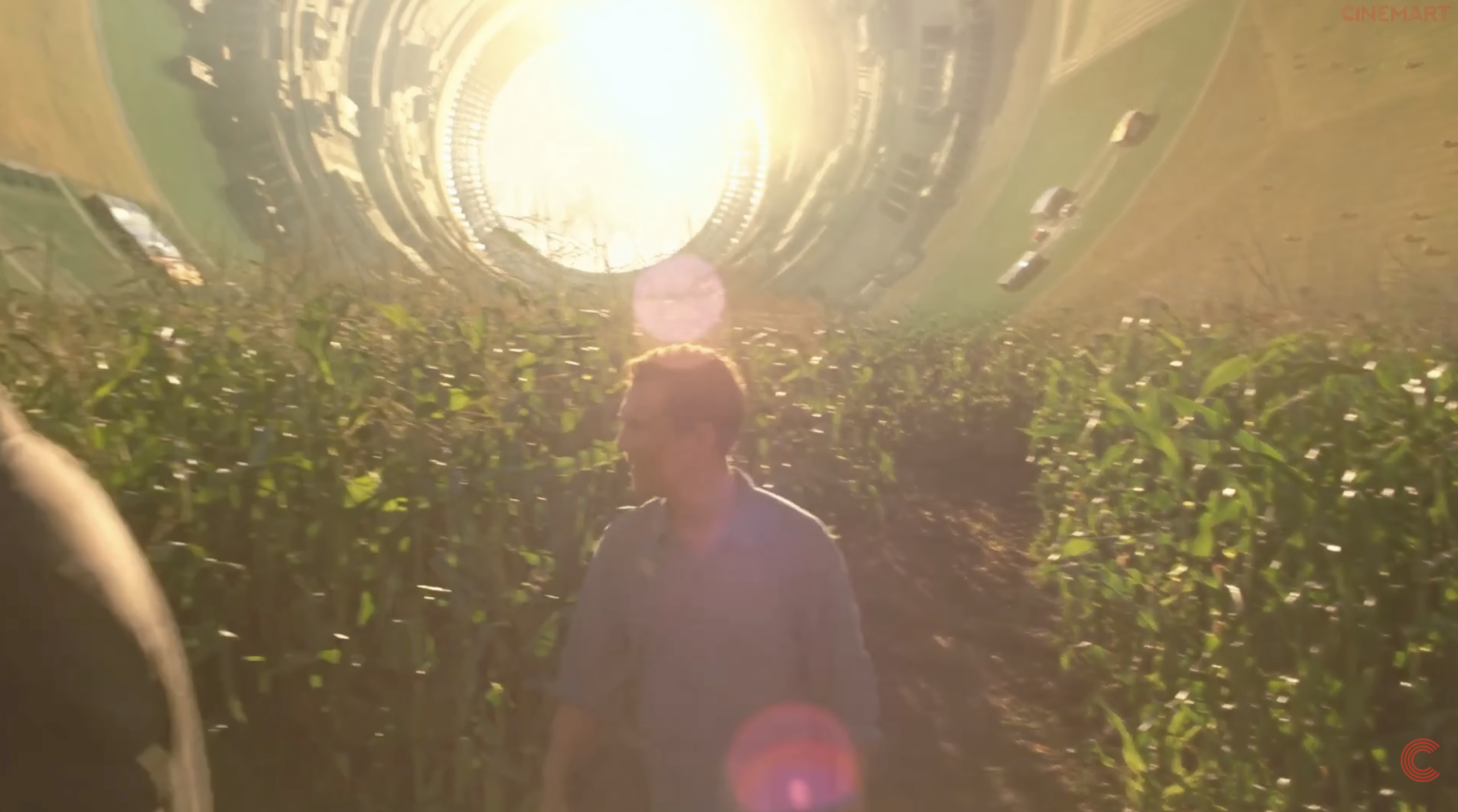
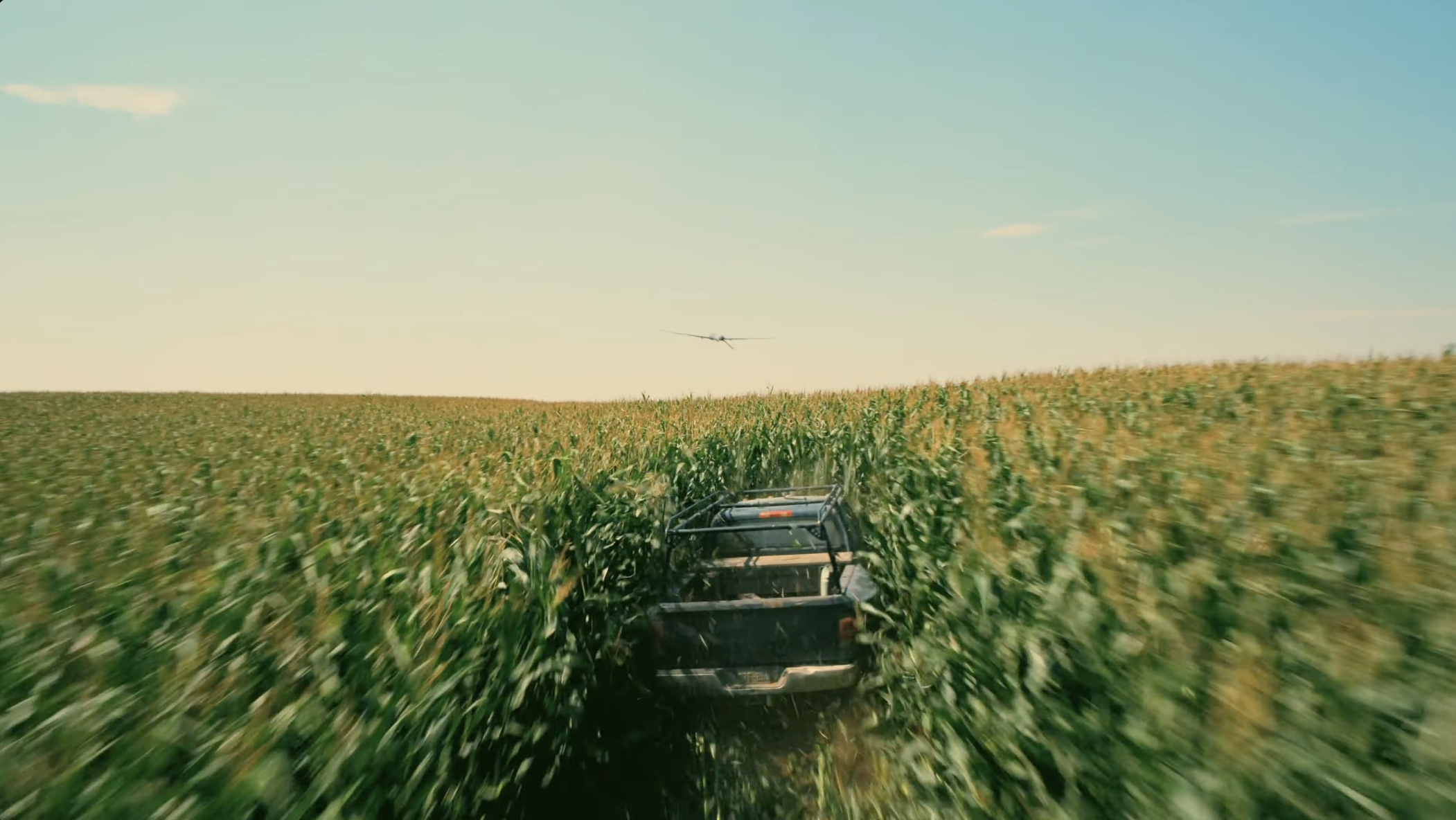
Cooper and Murph chasing the drone through the cornfield
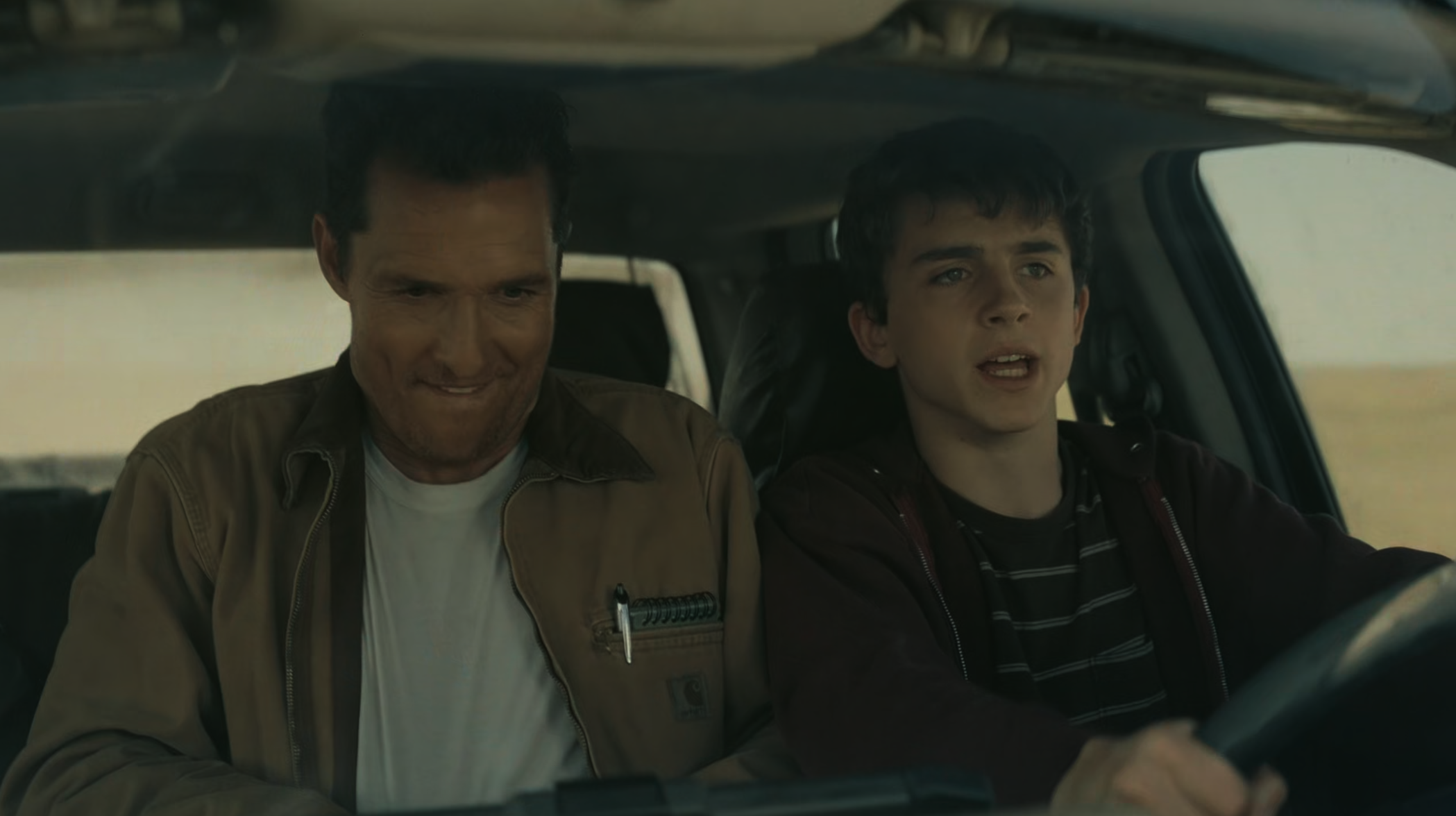
Cooper and Tom while Cooper tries to take control over the drone as Tom is driving through the field
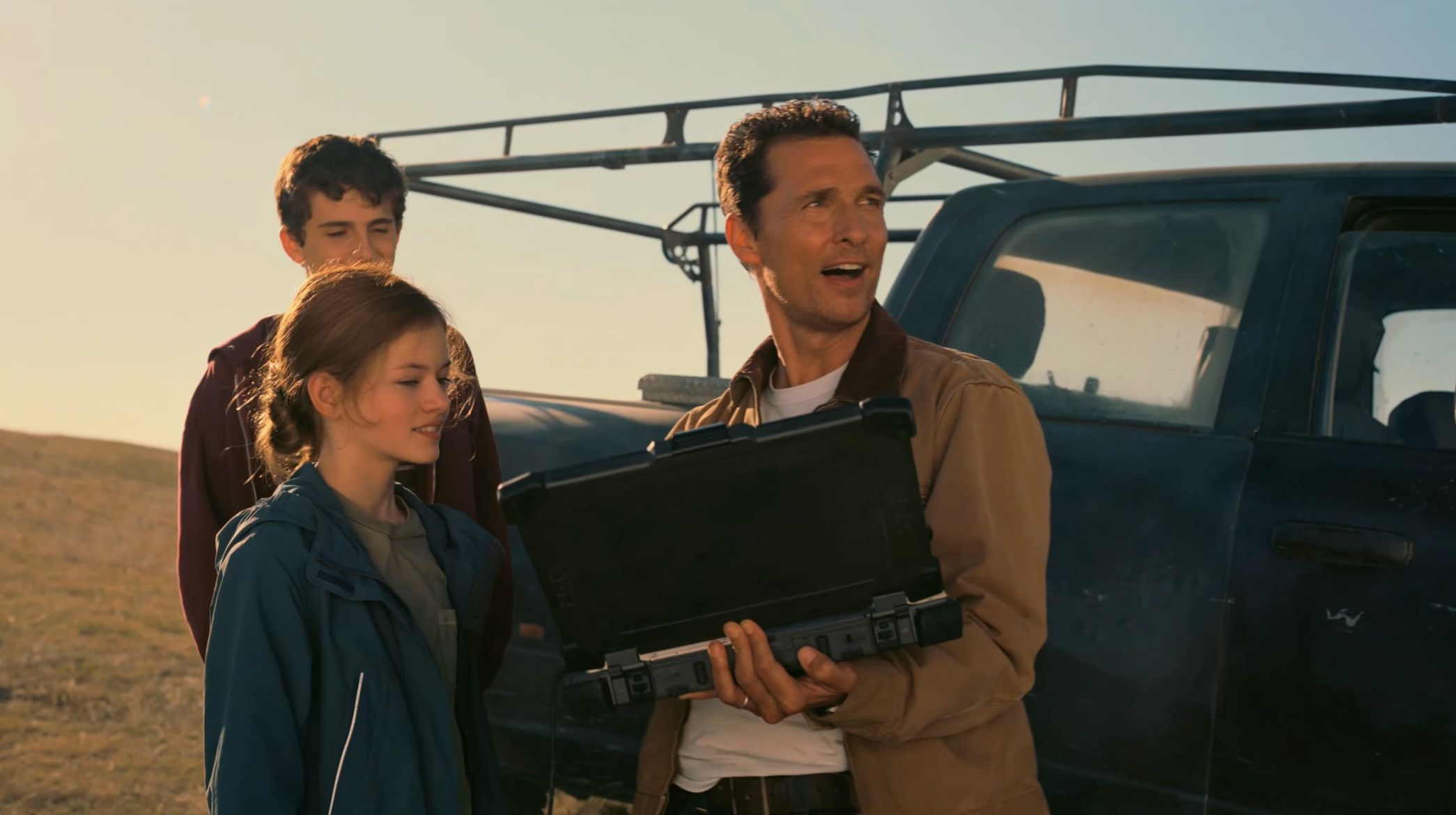
Cooper and Murph controlling the drone as Tom watches them.
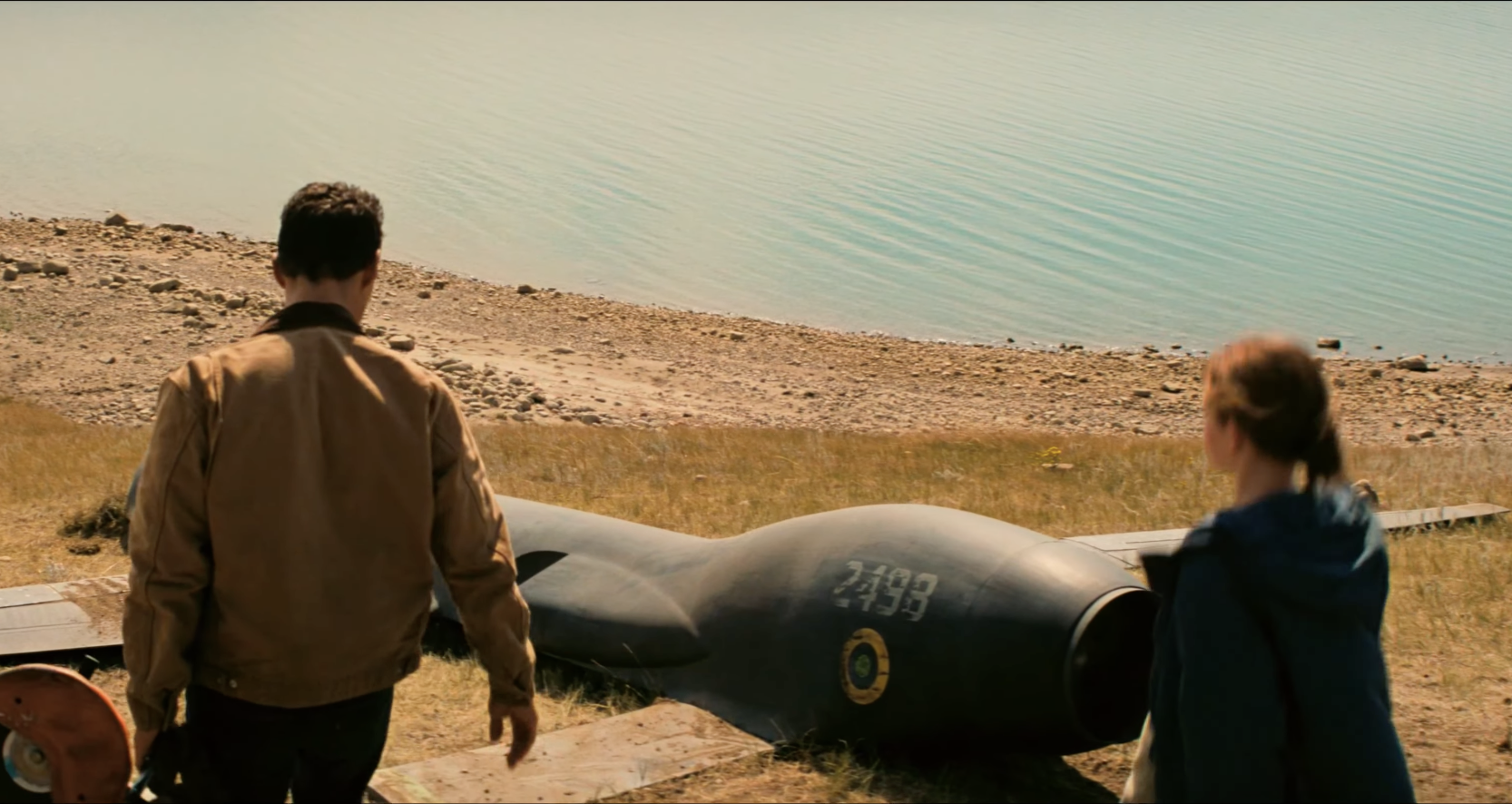
After the drone is taken down.

This scene is one of the most iconic scenes of Interstellar. If you asked any Interstellar fan, this scene would be one of the firs to come to their mind. Every single department from direction, photography, acting, and music were so good that it gives the audience goosebumps. The score in this scene is one of the most popular scores in the history of film music.

Fun Fact

The cornfield was actually a real cornfield in Alberta, Canada. Nolan has always been a pioneer of real location shooting and minimizing the use of CGI in his films, and this scene was no exception. Although the studio initially suggested using CGI, Nolan refused and planted a real cornfield for the production. After filming was completed, he sold the corn at a profit — reportedly making more money than if CGI had been used.
2. The Wormhole

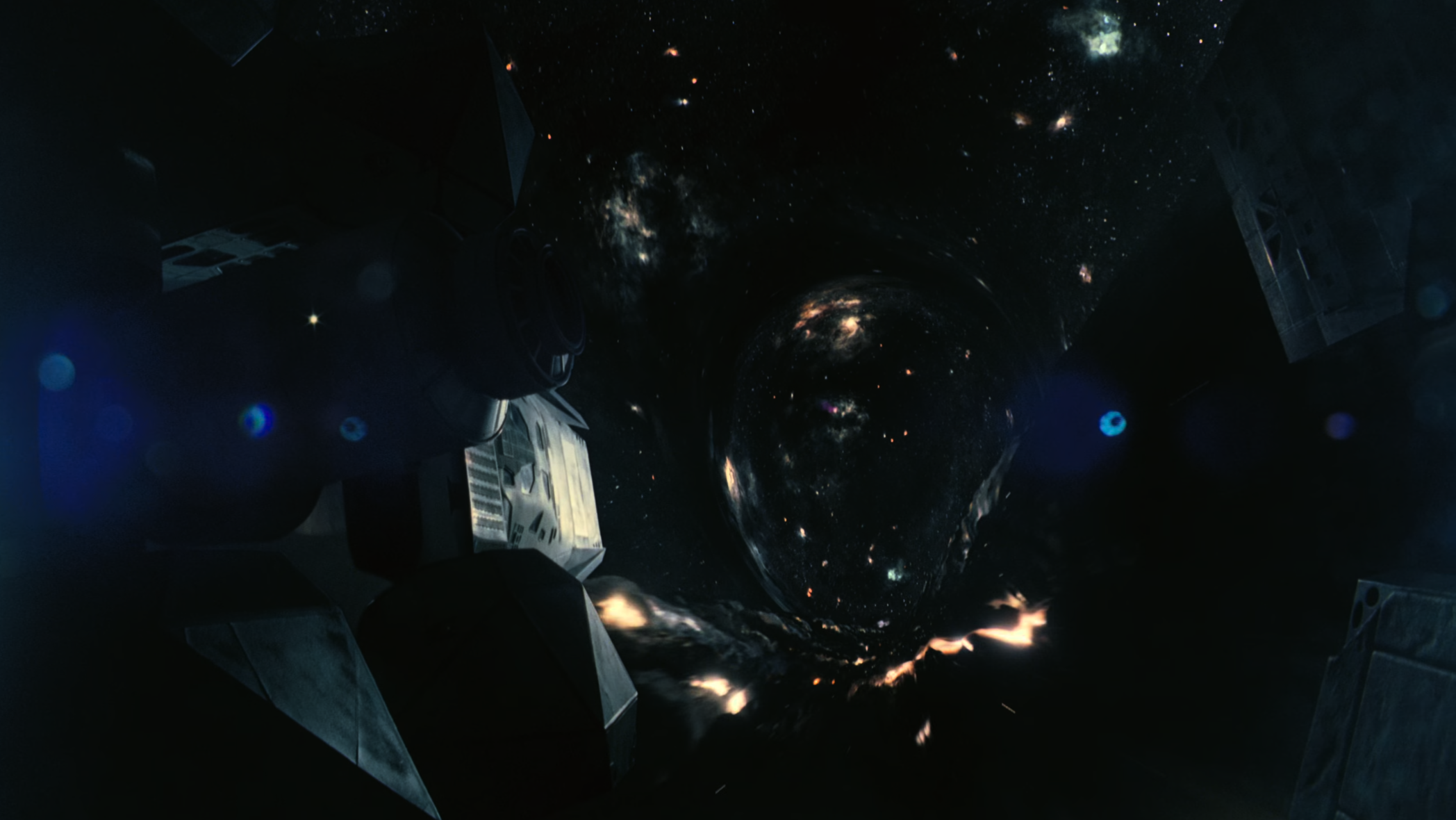
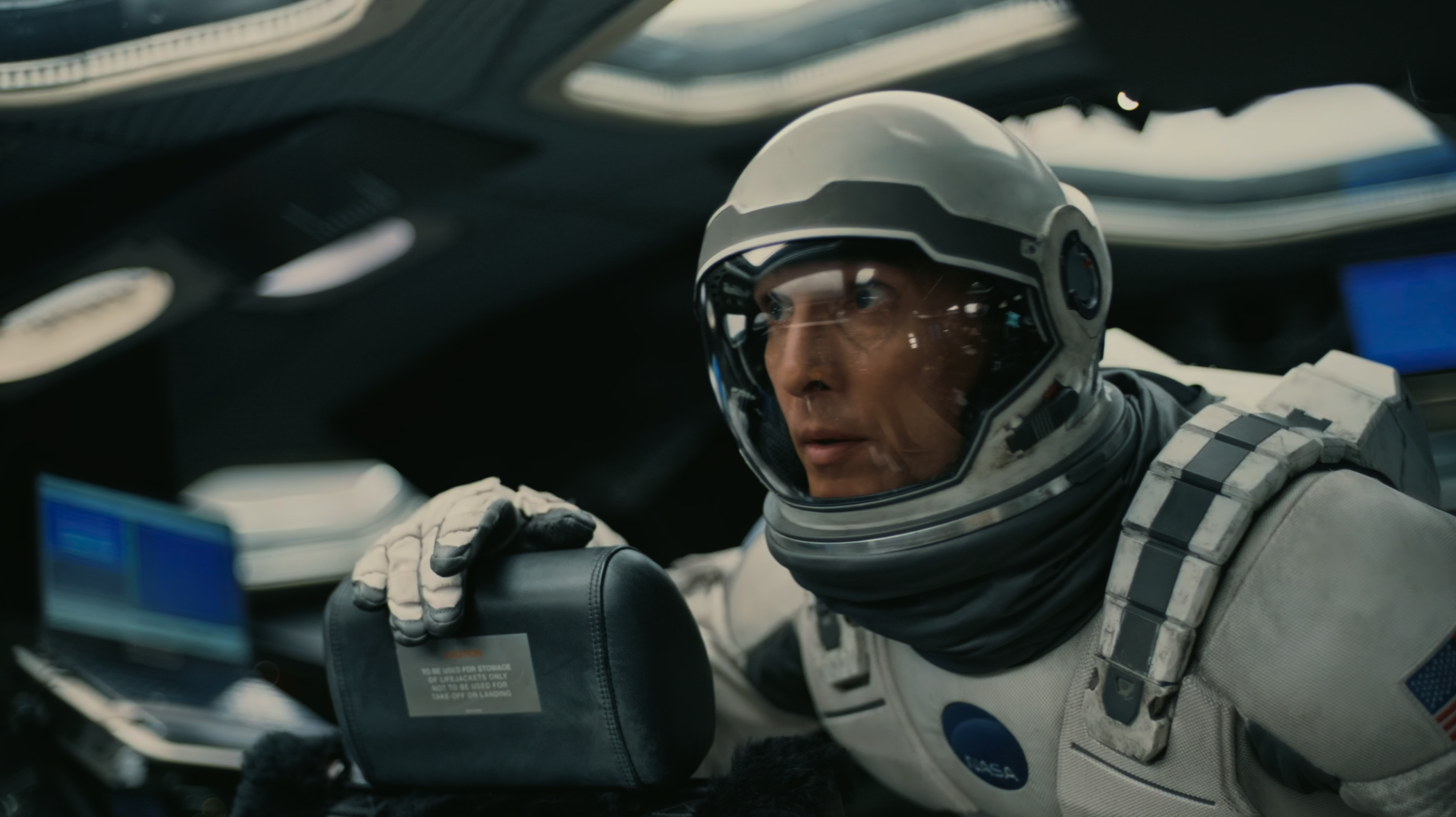
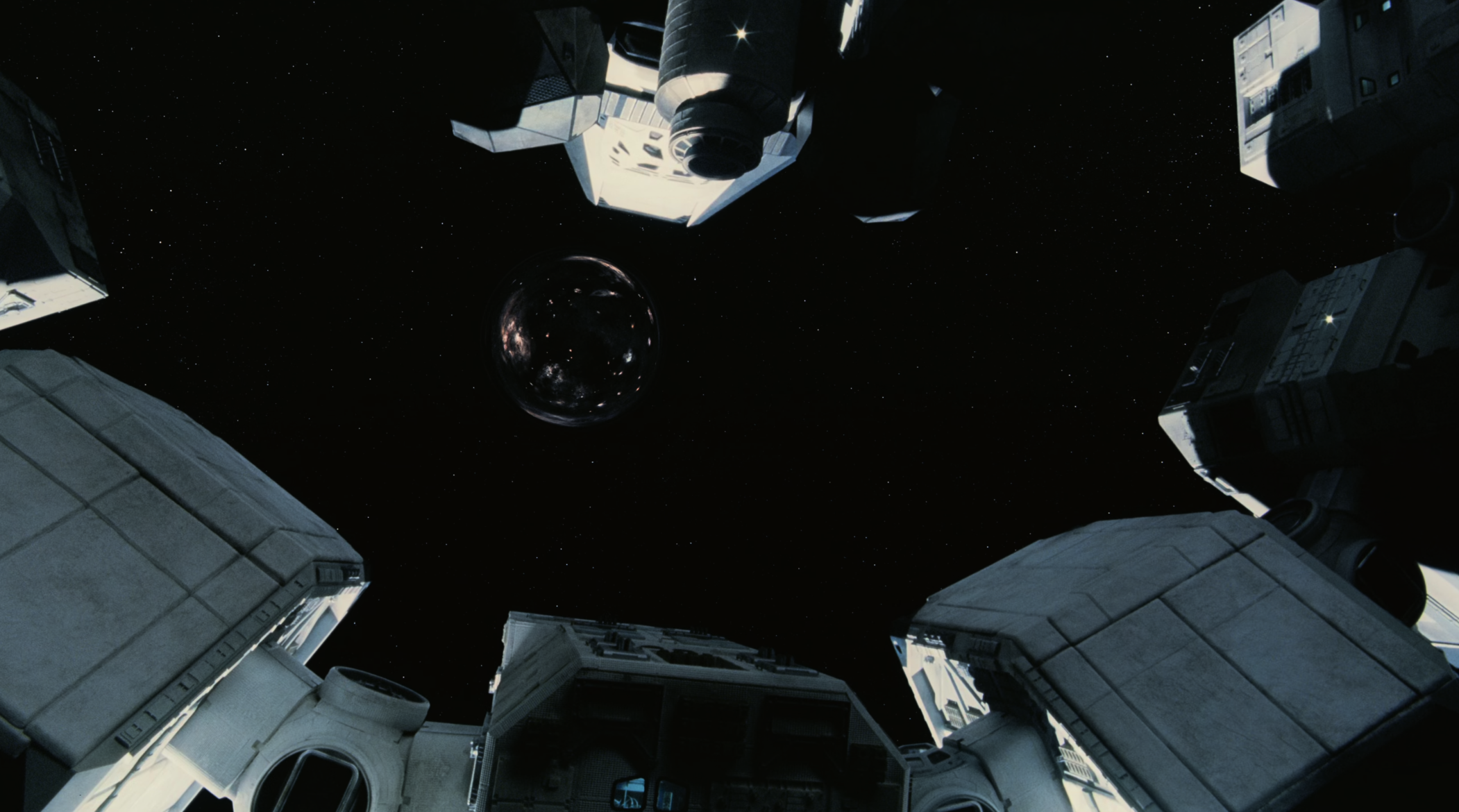
Cooper and the team approaching the wormhole
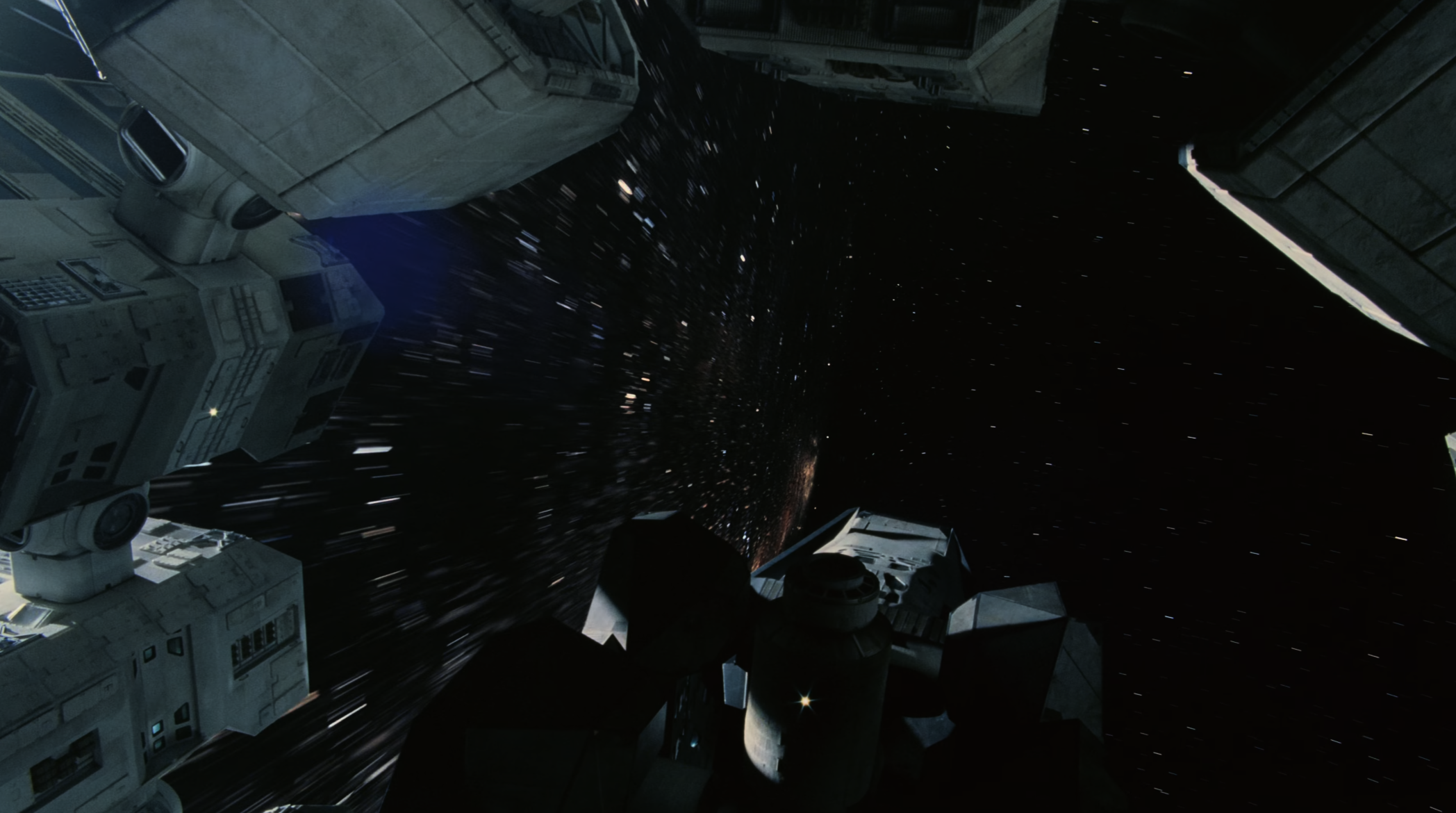
Entering the wormhole
Going through the wormhole
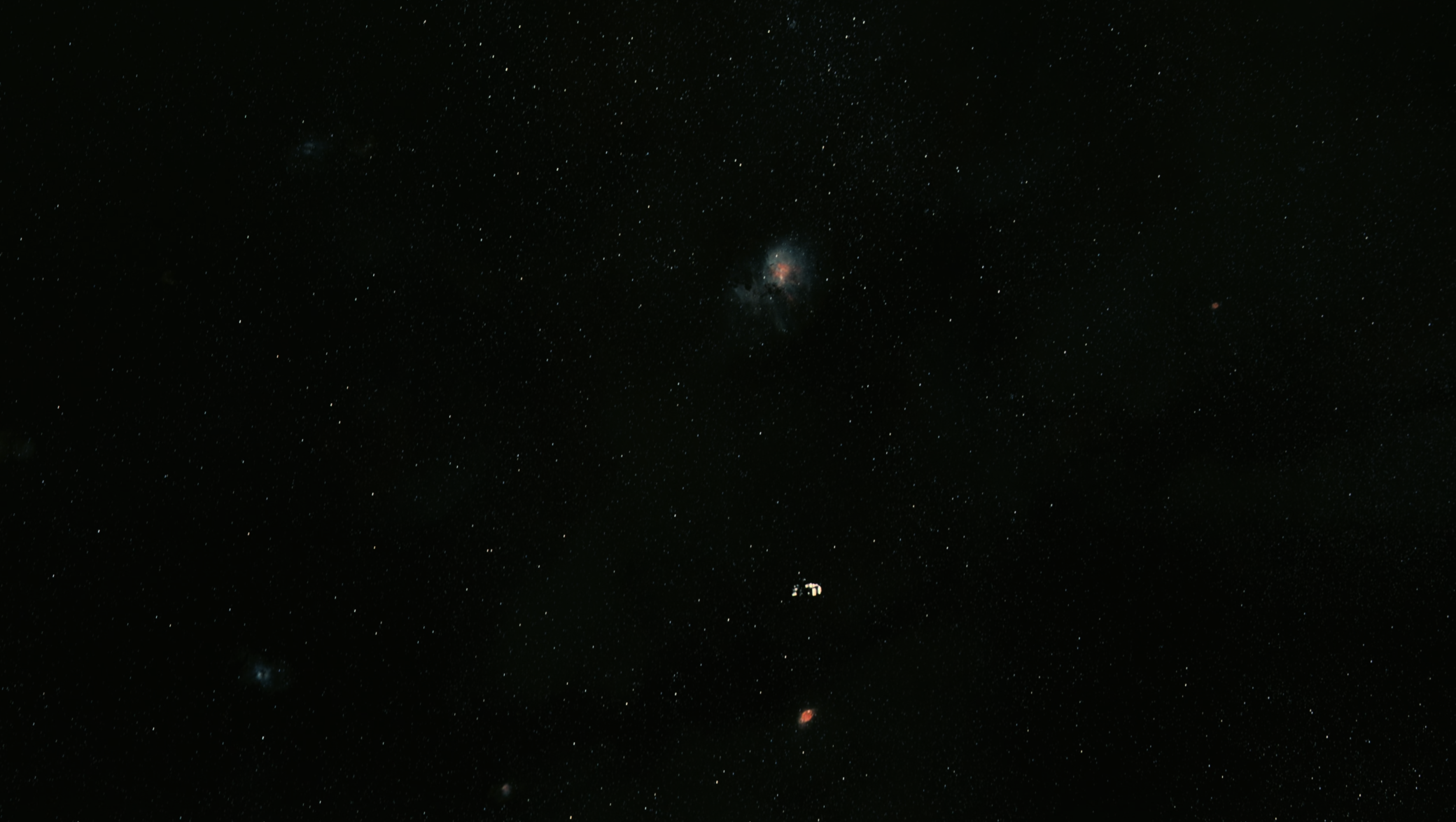
Cooper and the team reaching the new galaxy after going through the wormhole

The wormhole is one of the main plot devices in the movie as it enables actual Interstellar. Quick physics lesson: no object can travel in the same or even close to the speed of light as that is against the law of physics. And the universe is so vast that we can't travel through it without passing through generations of humans. The wormhole helps the characters cut down on the travel time. But the weird part is that these types of wormholes don't form on their own, so the characters suspect that some higher level being intentionally put it there for humans to use. The team travels through the wormhole and reach the other universe where past members were sent. This iconic scene is one of the most visually stunning scenes of the movie.

Fun Fact

The wormhole was designed with the help of physicist Kip Thorne, who served as a scientific consultant for the movie. Thorne's work on wormholes and black holes helped shape the scientific accuracy of the film and its depiction of the wormhole. The visual effects team used Thorne's equations to create a scientifically accurate representation, which was praised by both scientists and audiences alike for its realism and beauty.

Time Dilation Clock

1 second on Miller's Planet = 17 hours on Earth

1 hour on Miller's Planet = 7 years on Earth

Keyboard shortcuts: S Start · P Pause · R Reset

Miller's Planet 00:00:00
Earth 0y 0d 0h

3. Miller's Planet

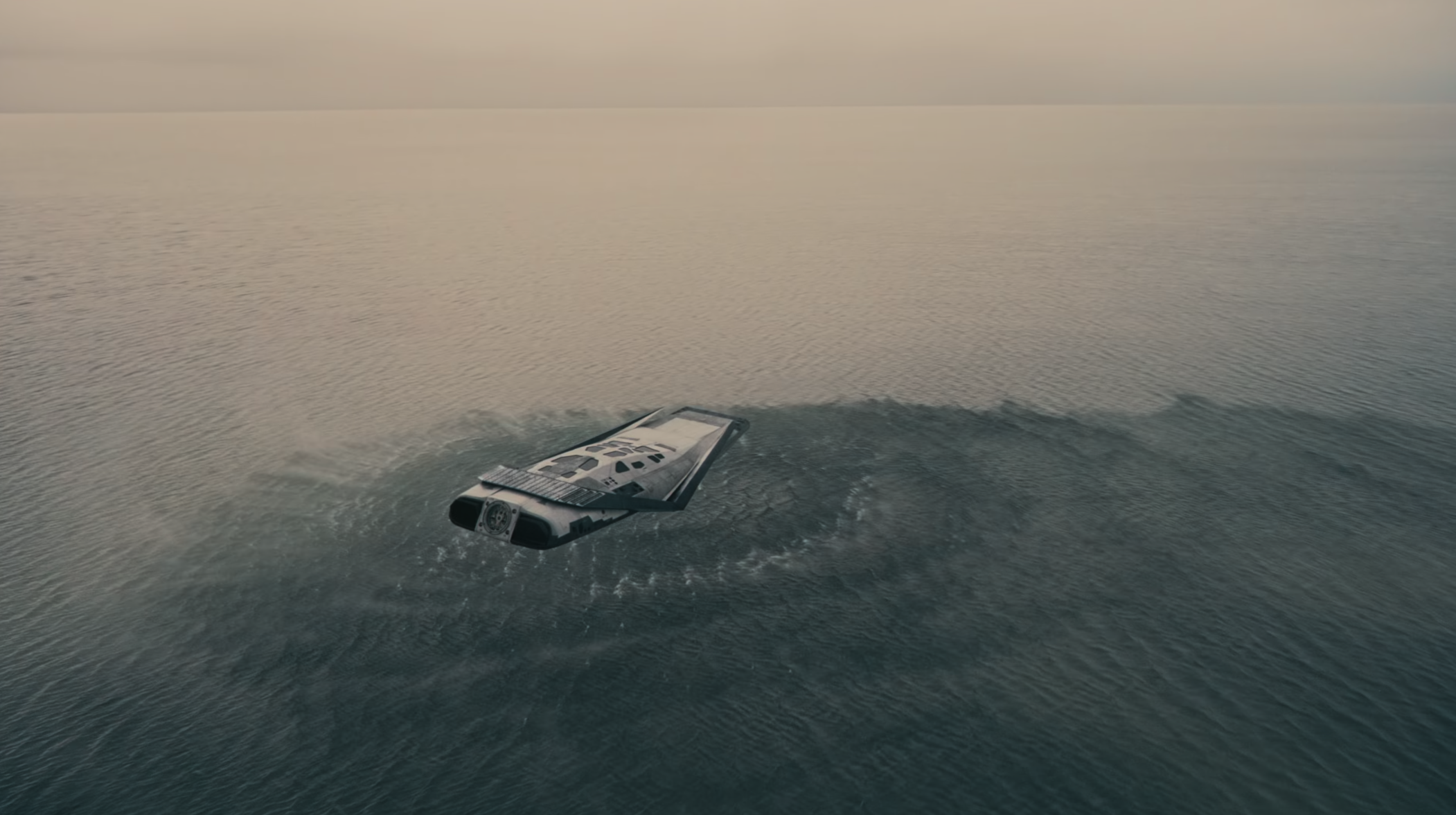
Landing of the Ranger on Miller's Planet
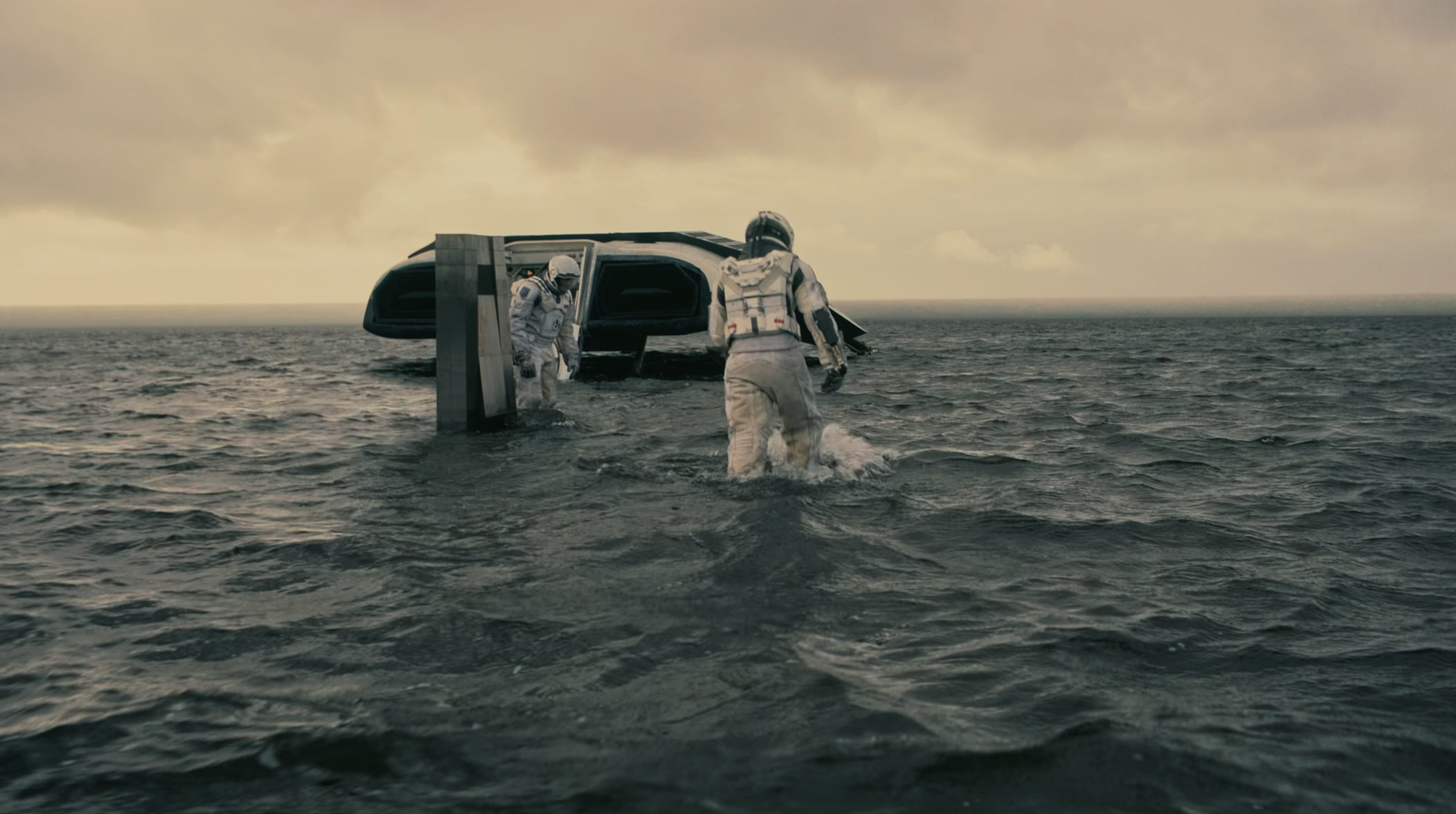
Brand, TARS, and Doyle on Miller's Planet
The giant wave on Miller's Planet
Cooper on Miller's Planet inside the Ranger

Miller's planet is my most favorite scene from the movie. The visuals seem calm and serene but the disaster waiting for the team is so intense that it kept me on the edge of my seat. And this is the same no matter how many times I watch this movie. Miller's planet is closesly situated to the Supermassive Black Hole Gargantua causing a really huge warp in time and space. The time dilation of a black hole can be its own topic but in this movie it is used to create a emotional context to the movie where Cooper wants to waste no time and go back to his daughter. The more time they spend on the planet, the more time they miss to spend with their loved ones which is consistent with one of the prominent themes of the movie. The planet is filled with shallow water, which allows for the team to traverse the surface despite having knee deep water. But the dangerous thing in the planet is the so called hills that are visible from far away. But only after sometime they realize that it is

Fun Fact

This scene was further enhanced by the musical genius Hans Zimmer. There is a clock ticking sound that is played as soon as the ranger lands and Cooper rushes the team to leave the ranger and collect the data from Dr. Miller's visit. The clock is played every 1.25 seconds and it is meant to represent the time dilation where each tick of the clock equals one full day passing back on Earth.

4. Entering the Tesseract through Gargantua

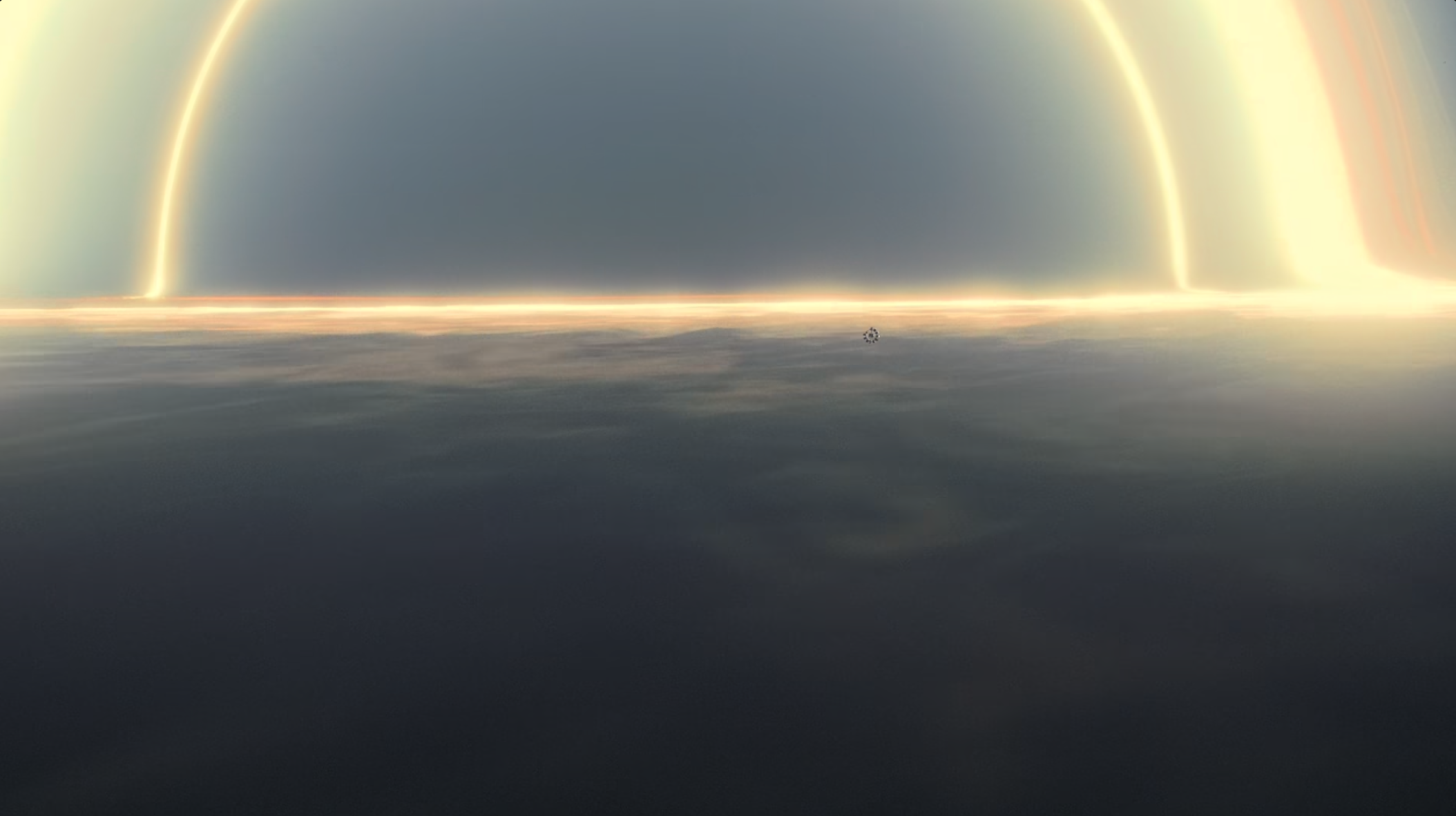
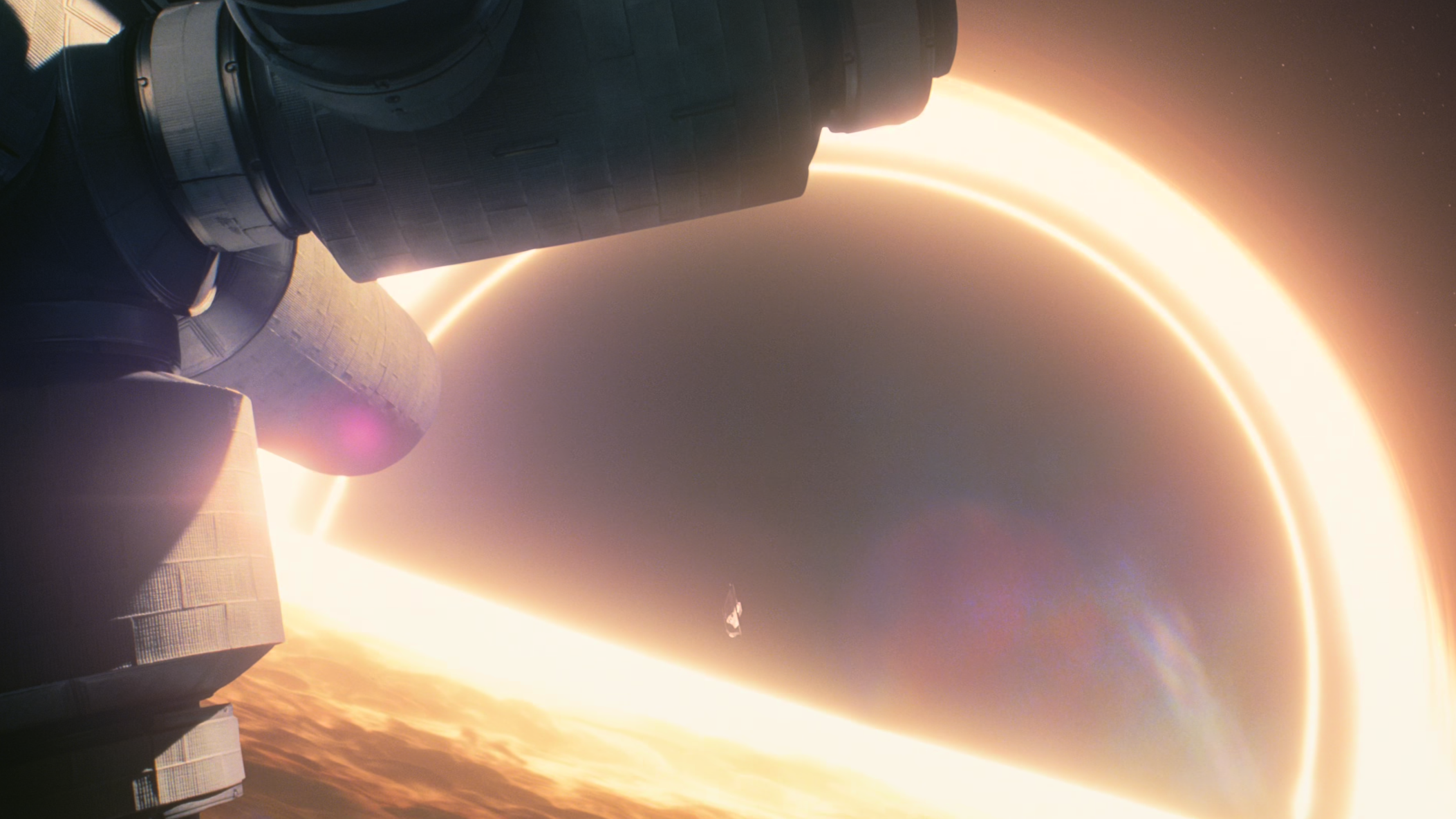
Gargantua, the supermassive black hole
Cooper falling into Gargantua
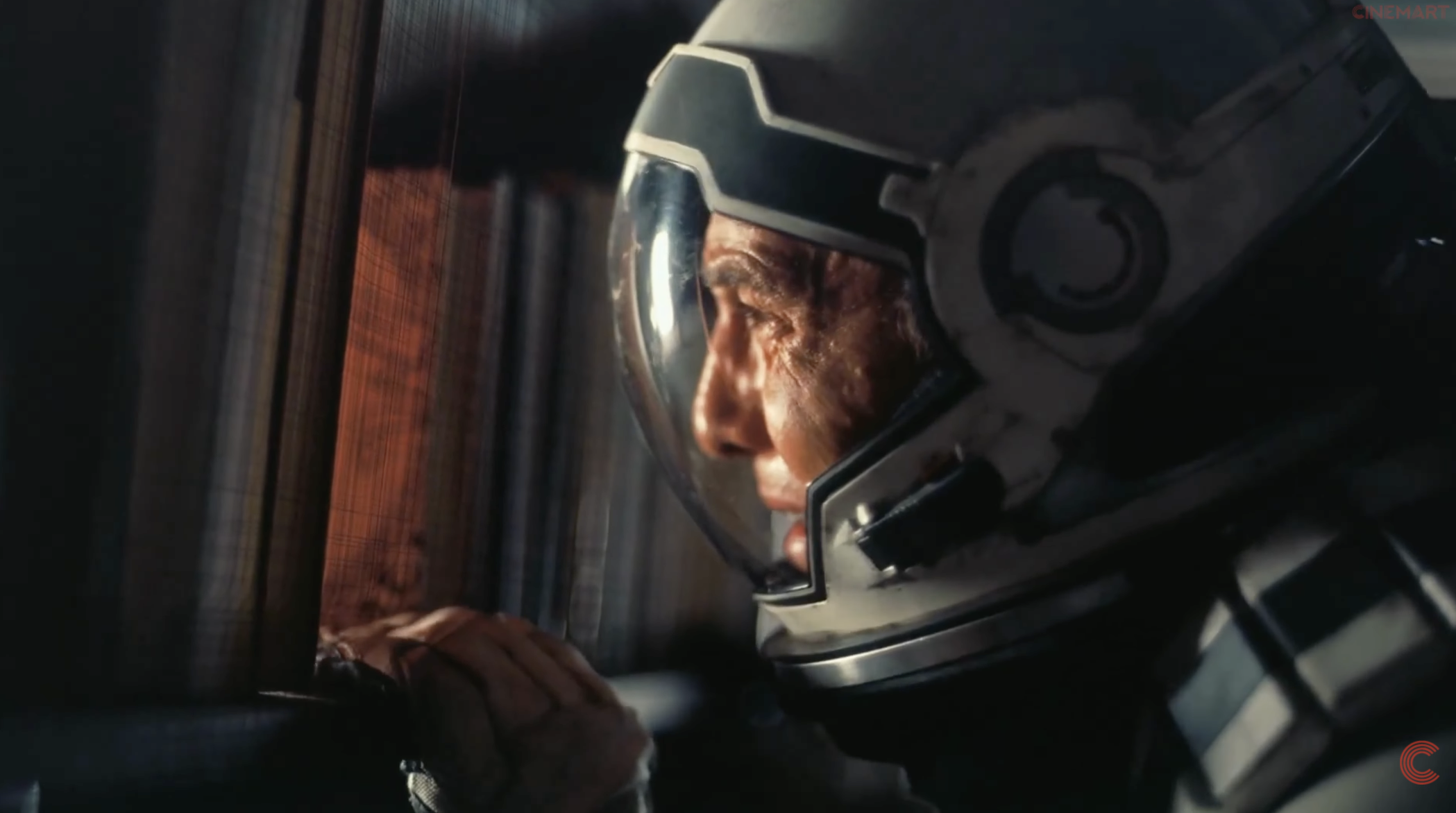
Cooper yelling a iconic line: "Don't let me leave Murph!
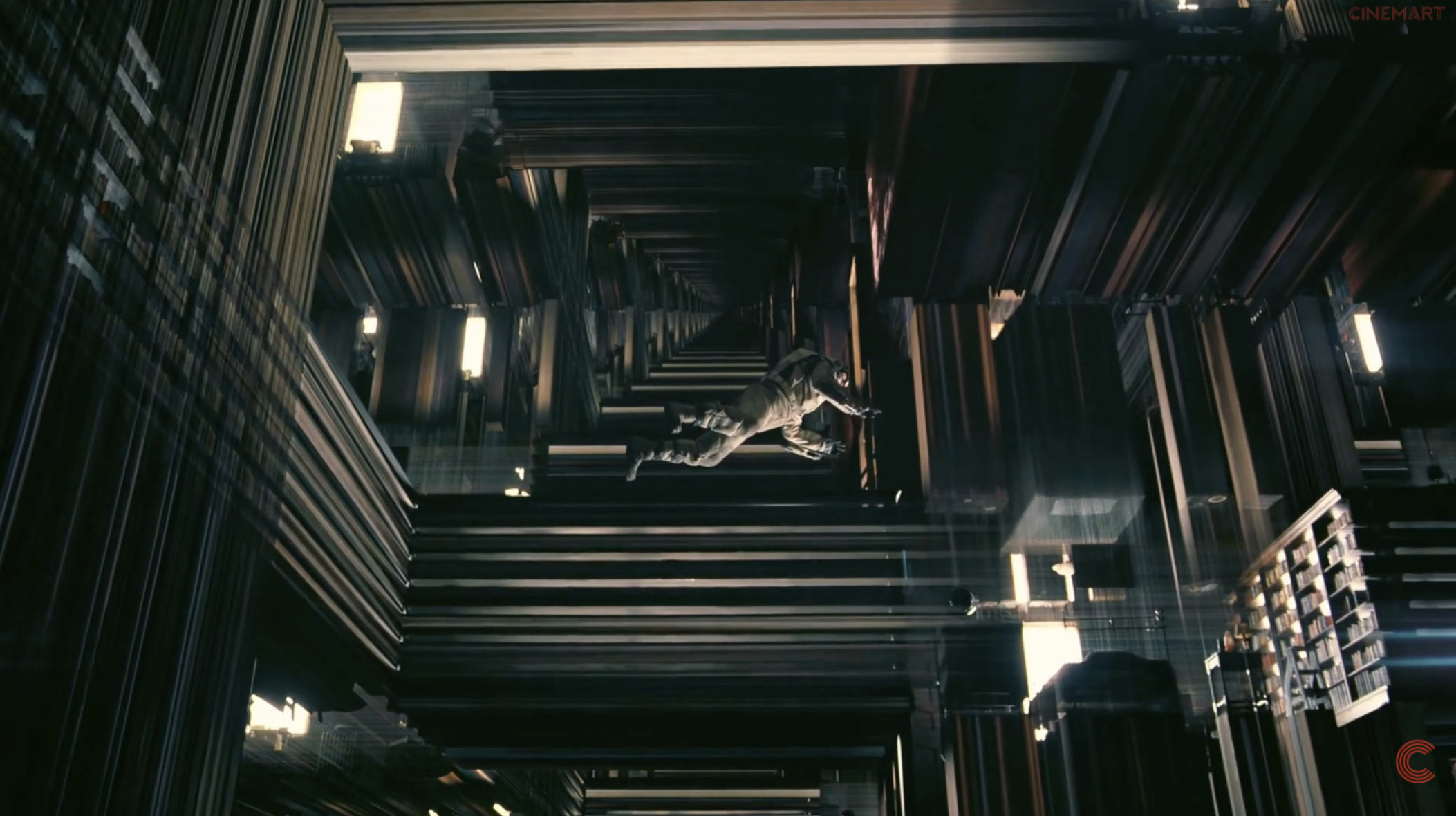
Cooper inside the tesseract, a 5 dimensional space where he can see all the different moments in time of his daughter Murph's bedroom

This is the most mind bending and visually stunning scene of the movie. Cooper enters the supermassive black hole Gargantua and falls into the tesseract, a 5 dimensional space where he can see all the different moments in time of his daughter Murph's bedroom. The tesseract is a construct created by the higher level beings who created the wormhole for humans to use. The tesseract allows Cooper to interact with the different moments in time and send messages to Murph through the watch that he gave her before leaving Earth. This scene is so emotional and powerful that it gives me goosebumps every single time I watch it. The way Nolan uses the visuals and music to create a sense of wonder and awe is truly masterful.

Fun Fact

The tesseract is a theoretical construct in physics that represents a four-dimensional hypercube. In the movie, it is depicted as a three-dimensional space where Cooper can see all the different moments in time of his daughter's bedroom. The concept of the tesseract was inspired by the work of physicist Kip Thorne, who served as a scientific consultant for the movie. Thorne's work on wormholes and black holes helped to shape the scientific accuracy of the movie and the depiction of the tesseract.

5. Cooper Station

Cooper Station, the space station built in orbit around Saturn after the events of the movie
Cooper and Murph meeting on Cooper Station
Brand looking at the new home of humanity
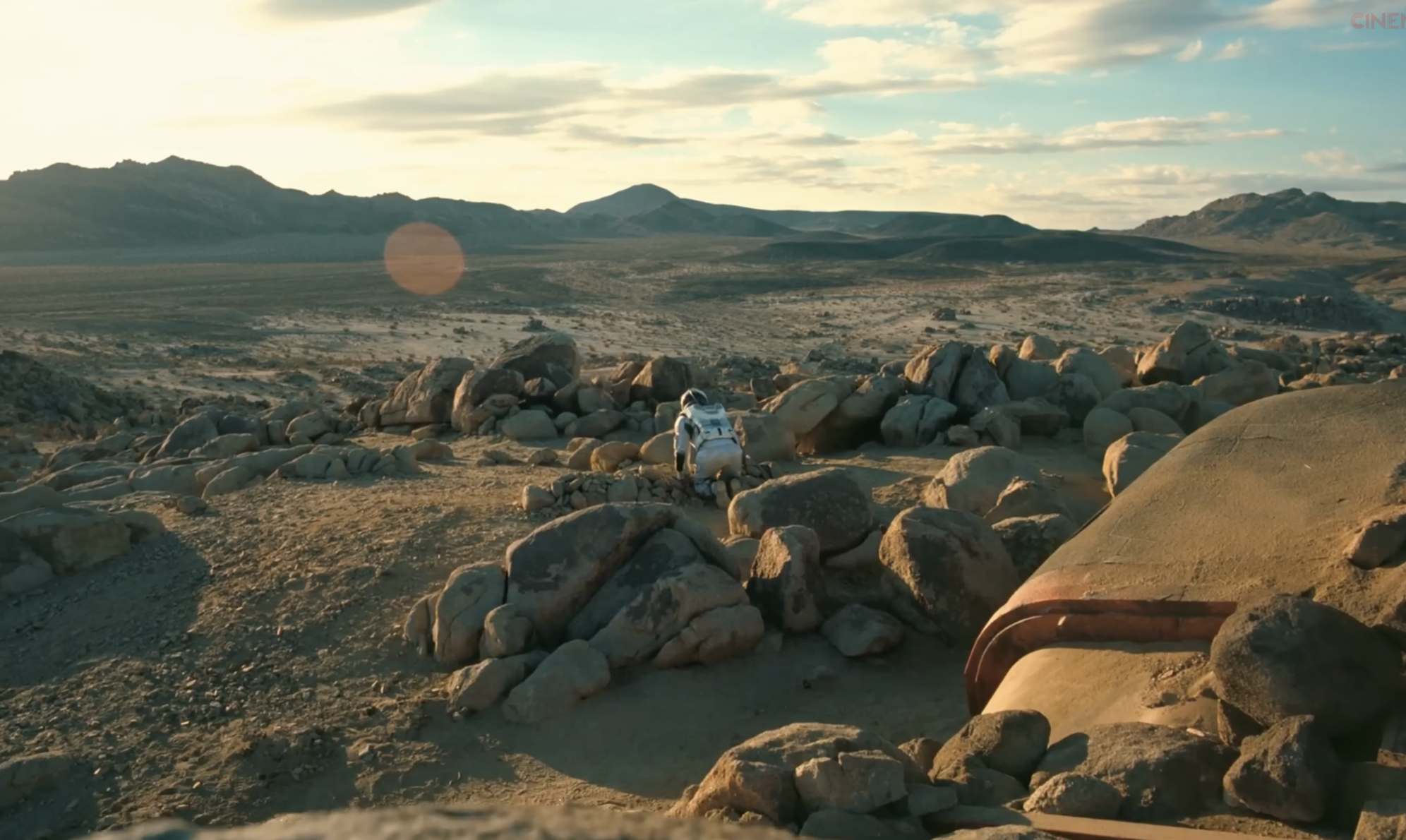
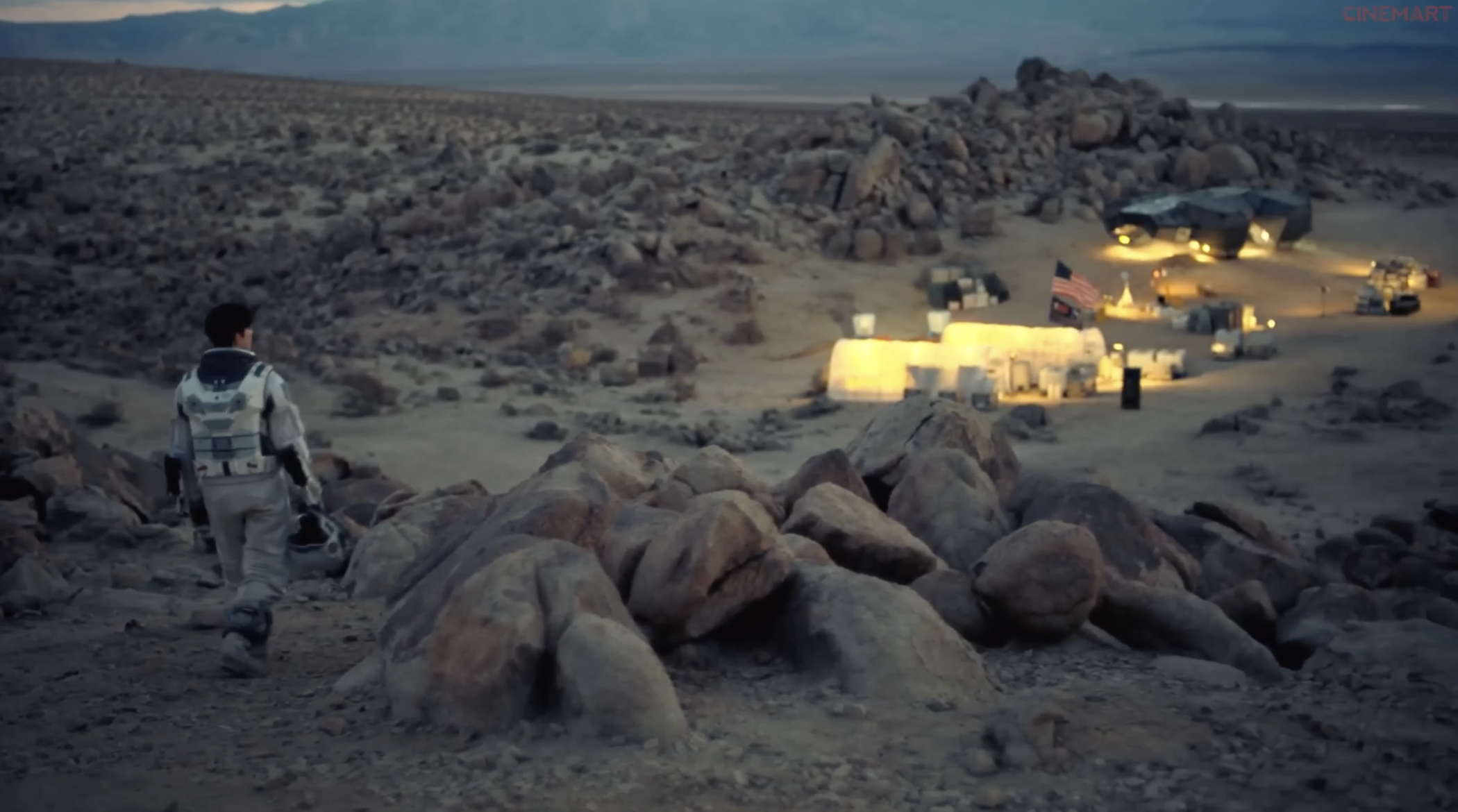
The new colony setup on Edmunds Planet

Cooper Station is the space station that is built in orbit around Saturn after the events of the movie. It is named after Murphy Cooper, Cooper's daughter, who was instrumental in solving the equation that allowed for the construction of the station. The station is a cylindrical structure that rotates to create artificial gravity and it is designed to be self-sustaining with its own ecosystem. The station is a symbol of hope and resilience for humanity as it represents the ability to adapt and survive in the face of adversity. The scene where Cooper reunites with his daughter on the station is one of the most emotional and heartwarming scenes of the movie.

Fun Fact

The design of Cooper Station was inspired by the concept of a Stanford Torus, which is a proposed design for a space habitat that would rotate to create artificial gravity. The station's design was also influenced by the work of architect and futurist Buckminster Fuller, who envisioned a geodesic dome structure that could be used for space habitats. The station's interior was designed to be visually stunning and futuristic, with large windows that offer breathtaking views of space and the surrounding environment.